
The Science Behind DNA Tests for Family History
DNA tests for family history work because DNA is passed down through generations in predictable ways. Knowing which part of your DNA a test looks at tells you which ancestors it can say something about.
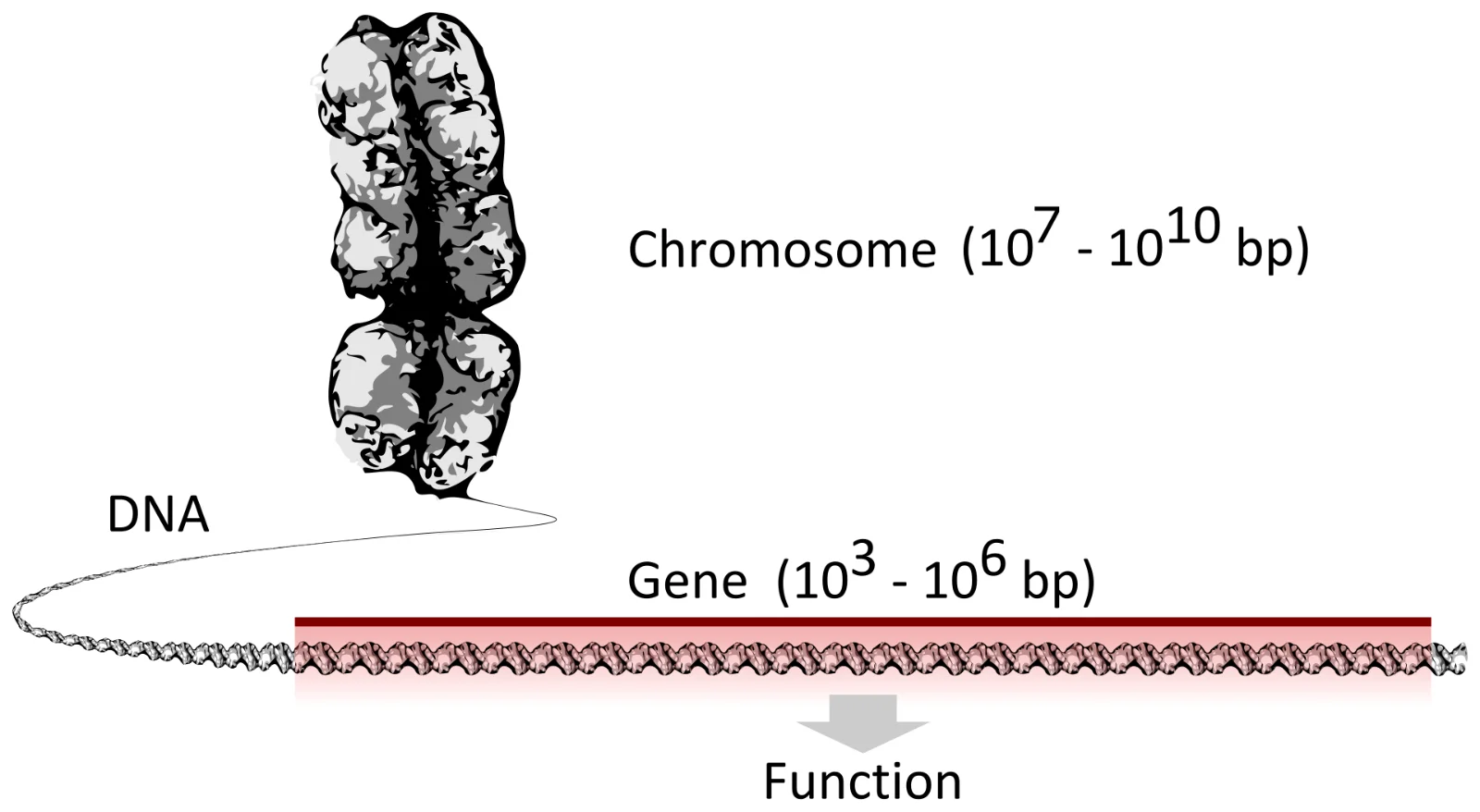
DNA in a nutshell
DNA is the hereditary material in humans and almost all other organisms. Most of it is packaged into chromosomes in the cell nucleus; people normally have 23 pairs. One chromosome of each pair comes from each parent. Twenty-two pairs are autosomes, and the remaining pair are the sex chromosomes, X and Y. A small amount of DNA is also found in the mitochondria, the energy-producing structures in our cells.
The three main tests
- Y-DNA. The Y chromosome is passed from father to son with very little change, so it follows a single direct paternal line — the same line that, in many cultures, carries the surname. Only people with a Y chromosome can take this test, although relatives can test on someone’s behalf.
- Mitochondrial DNA (mtDNA). Mitochondria are inherited from the mother by all her children, so mtDNA follows the direct maternal line. It changes slowly, which makes it more useful for deep ancestry than for recent genealogy.
- Autosomal DNA. Autosomes come from both parents and are reshuffled in every generation. An autosomal test can find relatives on all your lines, but the amount of DNA you share with a particular ancestor falls quickly the further back you go.
STRs and SNPs
Tests read two kinds of markers. Short tandem repeats (STRs) are short stretches of DNA repeated a number of times; the counts mutate relatively often, which helps separate branches of a family. Single-nucleotide polymorphisms (SNPs) are single-letter changes that are much more stable and are used to define haplogroups, the deep branches of the human family tree.
A short history
According to the history summarised on Wikipedia, Family Tree DNA became the first company to sell DNA tests directly to consumers for genealogy in 2000, starting with Y-chromosome STR and mitochondrial tests. 23andMe introduced autosomal ancestry testing in 2007, and AncestryDNA followed in 2012. By 2019 around 30 million people had been tested.
Next: how to read your DNA results.